1 Princeton University 2 NVIDIA * Work done during an internship at NVIDIA † In support of more inclusive conference locations, this author removed herself from the SIGGRAPH Asia 2026 publication
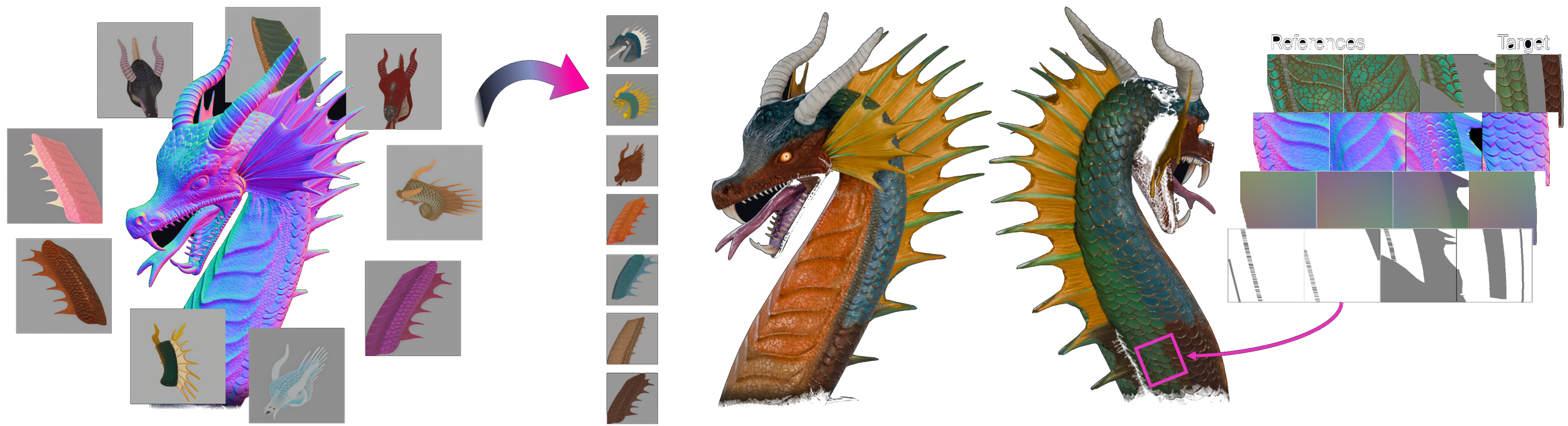
Sea dragon textured interactively with GLOSS in Blender.
Interactive texture creation with high-fidelity adherence to both artist-selected references and local geometry.
automatic in → out pipeline→artist-controlled fine control
hallucinated texture→faithful texture
Conditional image generators let texture artists explore many single-view looks for an existing 3D shape, yet state-of-the-art methods still struggle to produce a full object texture that adheres to fine-scale geometric detail and to the reference, leaving little room for artist guidance or for exploring multiple textures interactively. Unlike methods trained on large 3D datasets that texture from global guidance, we take a local, less data-hungry approach with explicit artist control.
We leverage the geometric self-similarity and geometry–texture correlation of natural and man-made shapes to train a shape-specific local texture generation and completion model, learned from existing image model priors and a single shape by attending to geometry-aware reference patches. The trained network transfers any novel reference to the full object texture through patchwise inpainting, with quality improved over or comparable to strong image-conditioned baselines. It also enables local geometry-conditioned inpainting guided by artist-selected references, and generalizes preliminarily to PBR materials and unseen meshes. Piloting the capability as a Blender add-on with several 3D texturing professionals drew positive feedback on its controllability and practical usefulness.
Shapes repeat locally, so a region already seen constrains one that has not.
Conditioned on the surface underneath, so a reference lands aligned to it.
One shape and an off-the-shelf image model — no textured 3D corpus.
A prototype Blender add-on brings reference-guided fill into a real texturing workflow. Five professional 3D artists piloted it; all five said they would integrate interactive reference and geometry-guided fill into their work.
why don’t we paint the dragon head red?
how about green scales over the blue ones up top?
i want the head to look like that blue head and transition well to my existing texture
i want that yellow green fin.
i want that same fin palette consistently on the big fin.
i want to complete the horn partial texture like that ivory reference.
i like that face scale in the reference. let me texture fill the face.
i want the eyes to mimic the reference eye.
what if the spine ran violet and orange?
i want to try combining the green with the violet!
i don’t like the white mouth. i will use the red scale to cover that region.
i can select entire region to paint with the green brush. hurray!
let me think about where to place these two textures together iteratively in Blender.
same shape, totally different mood. which reads better?
i want to combine two leaf palettes together
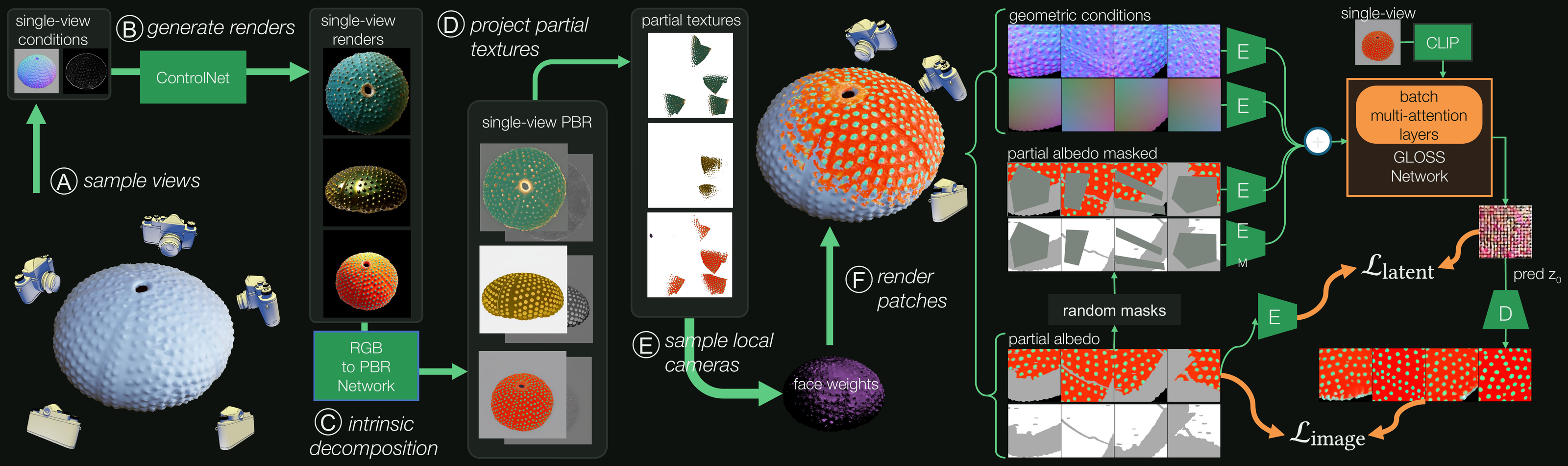
No textured 3D dataset is involved. Off-the-shelf image models generate training data from the shape itself, and the network learns local texturing from that shape's own self-similarity.
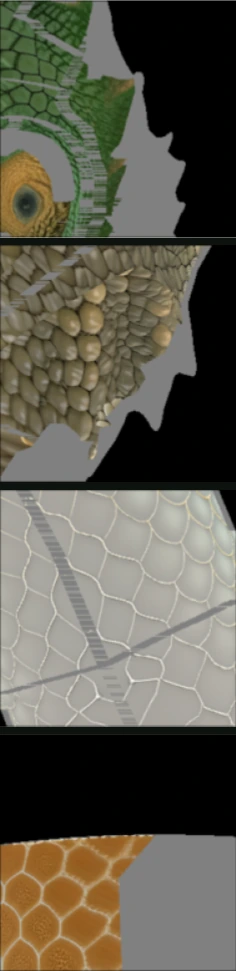
We generate local patch level data pairs (geometry and texture) from ControlNet rendered single view renderings from a single asset. We pass them through batch multi-attention layer for the model to learn faithful texture inpainting.
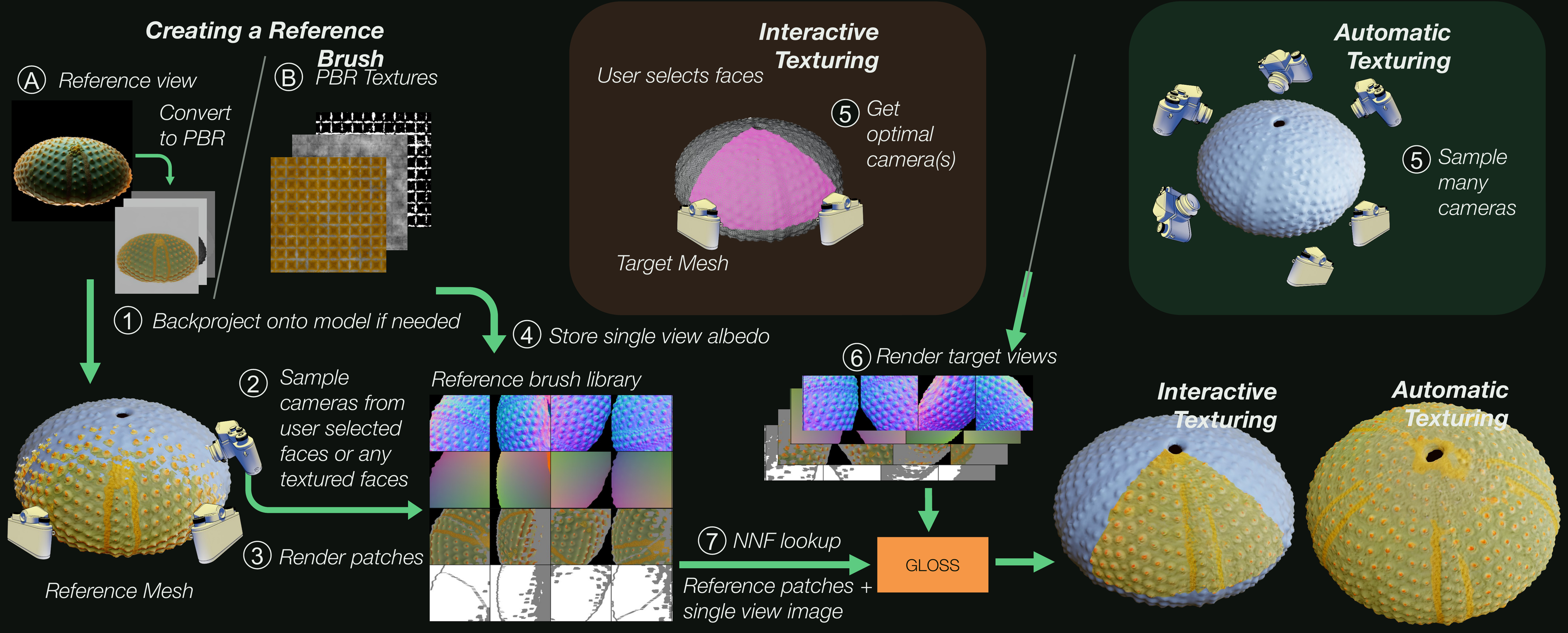
Our model supports interactive and automatic texturing. The artist can select any reference and create a “brush”. The model inferences faithful patches on the asset.
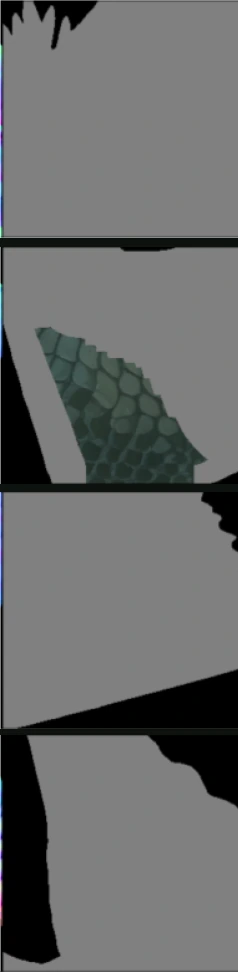
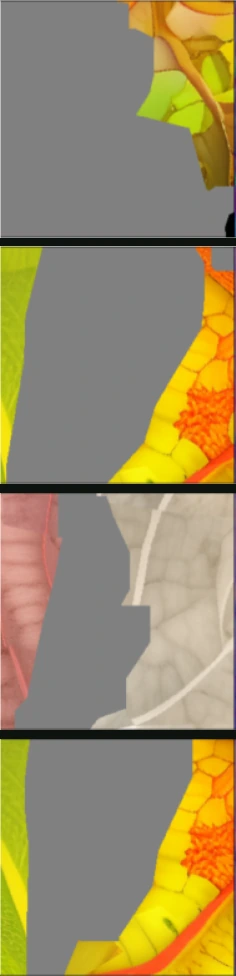
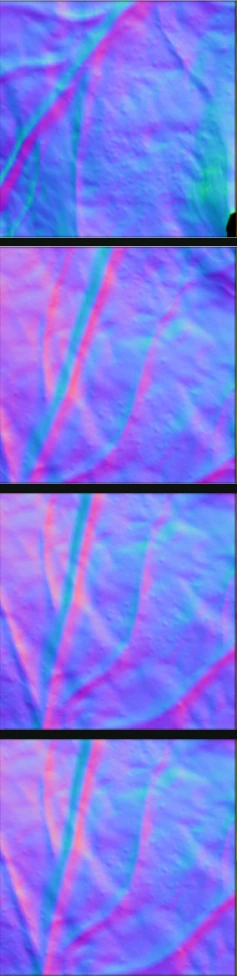
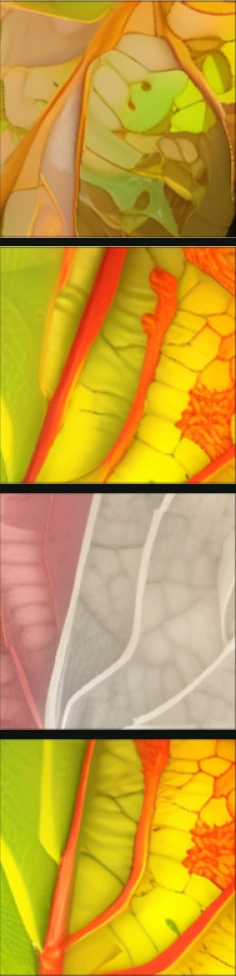
Given a target patch, the trained attention layers look at reference patches and learn to synthesize based on geometric similarity.
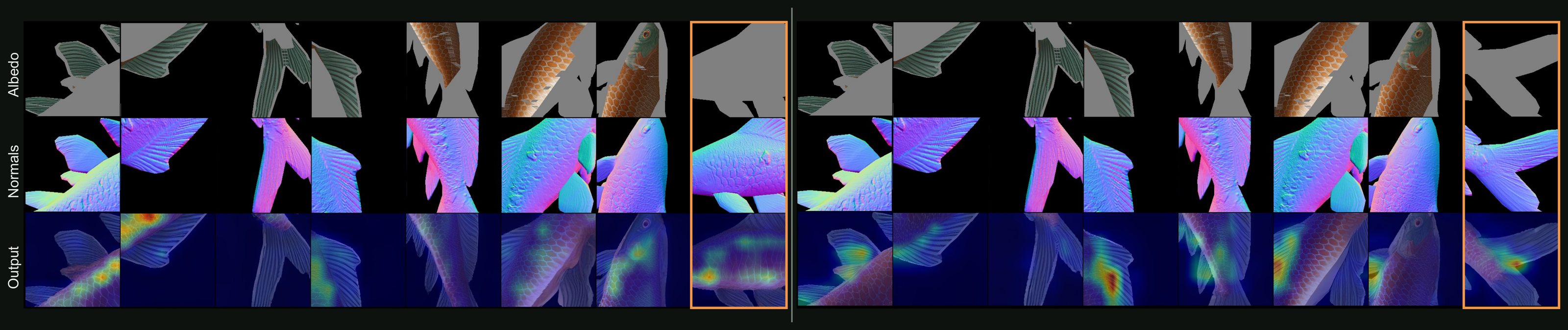
Rows: albedo, normals, and where attention lands for the target patch.
Each fill is conditioned on geometry as well as colour. The reference contributes its albedo and its surface normals; the target contributes the region left to fill and its own normals. The model reads the two together, so the synthesised patch follows the shape it lands on rather than being pasted flat.
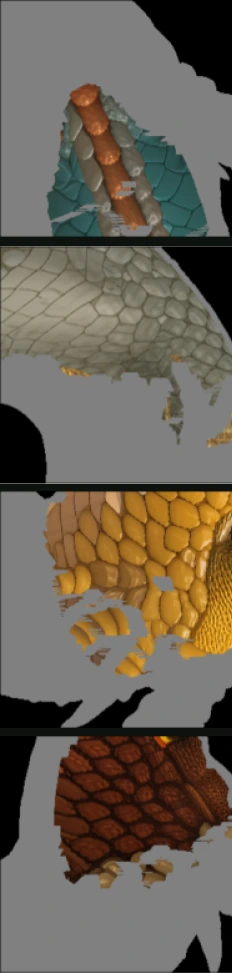
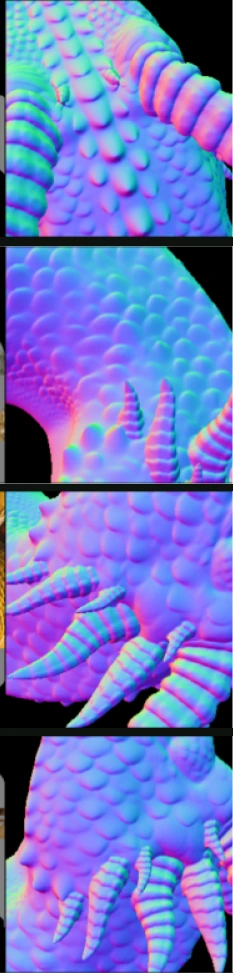
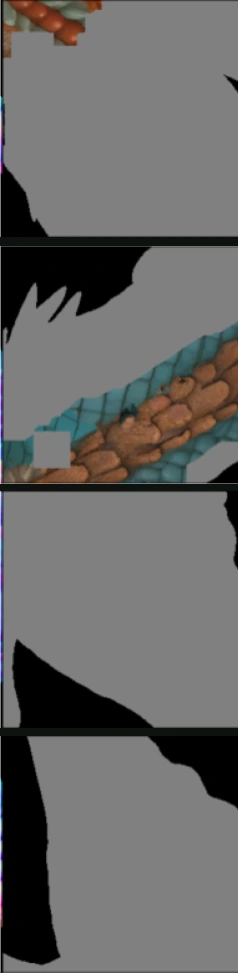
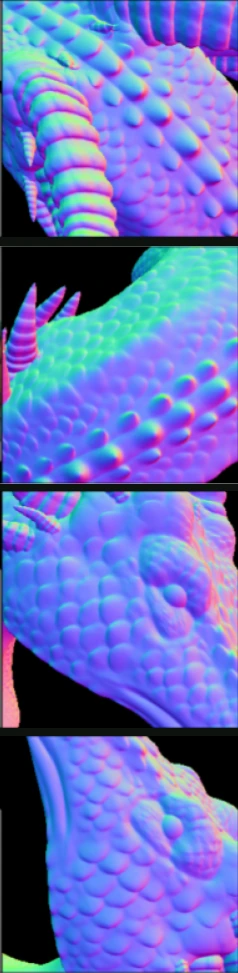
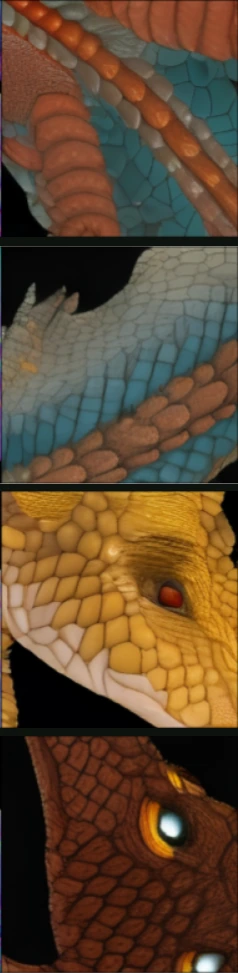
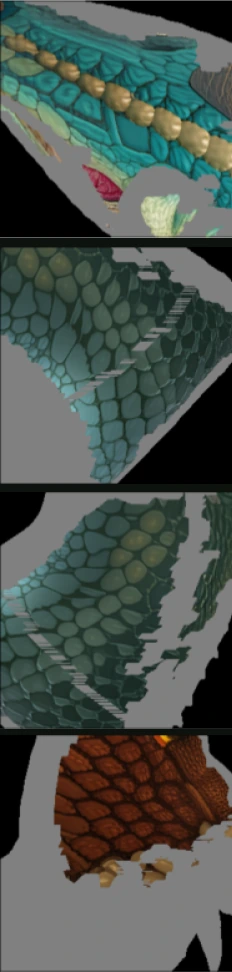
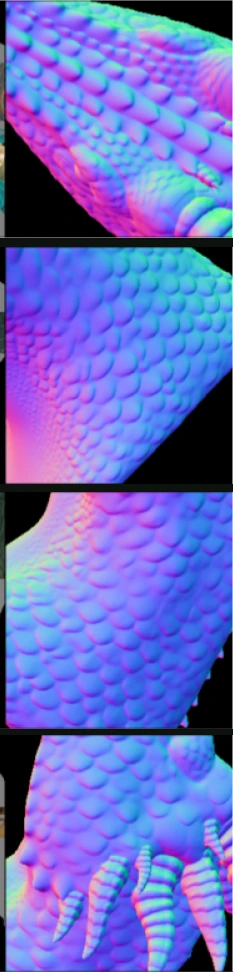
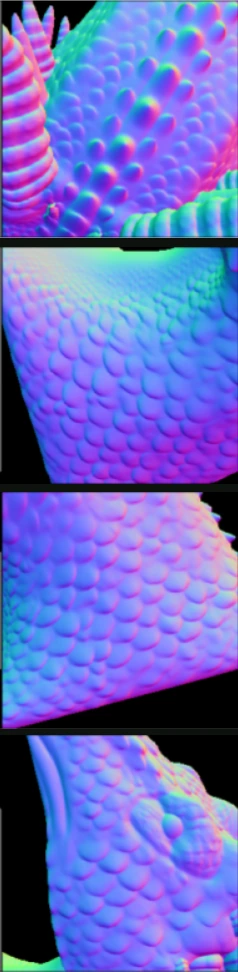
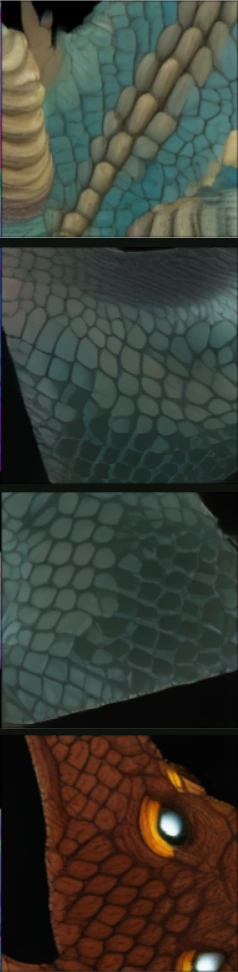
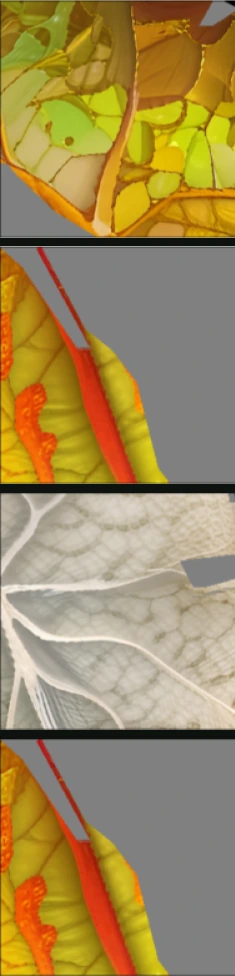
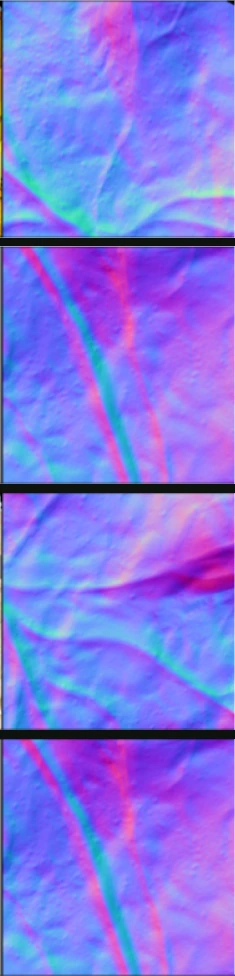
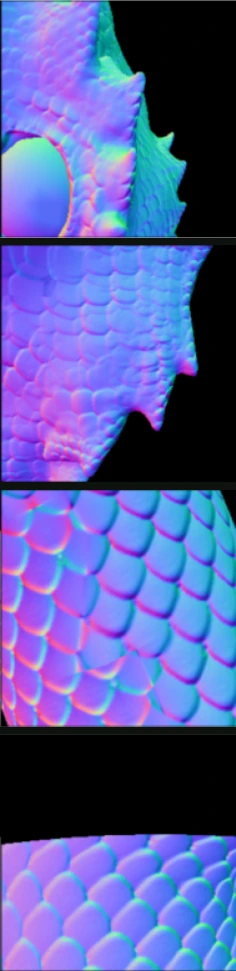
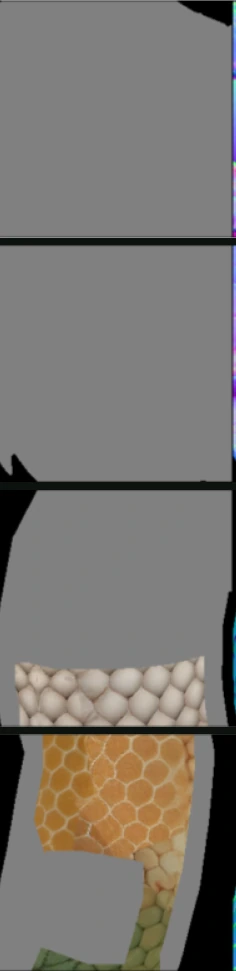
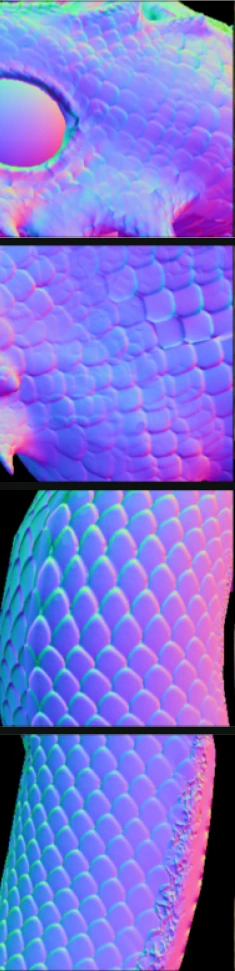
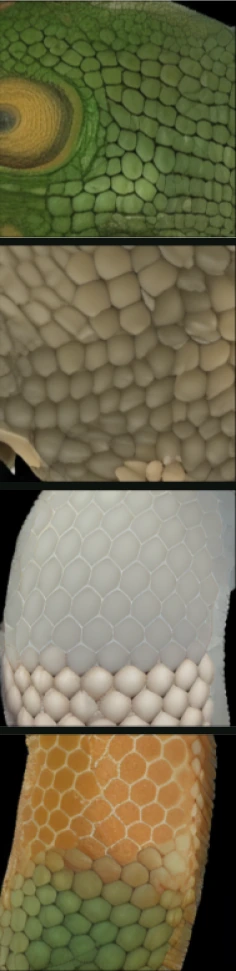
Once trained, our model supports versatile applications: blend several references across one surface, carry beyond base colour into full PBR channels, texture a shape it was never trained on, and fill a whole mesh from a single view.
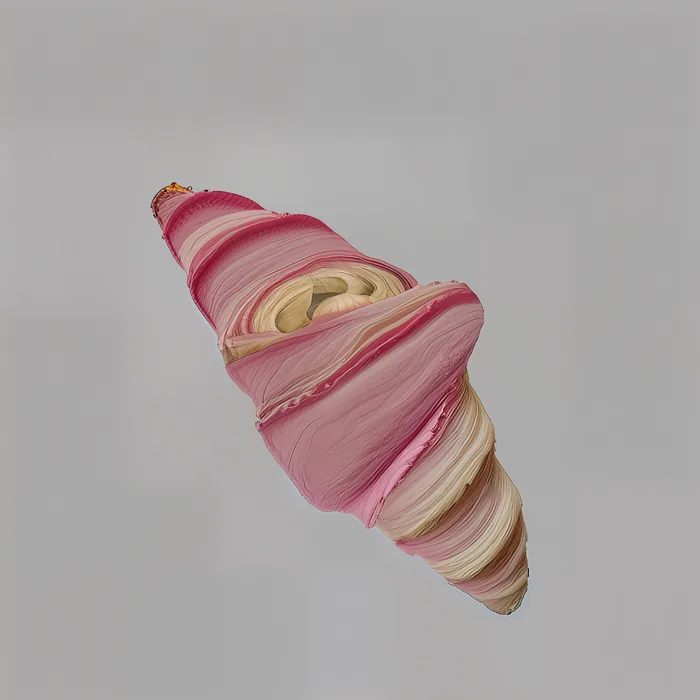
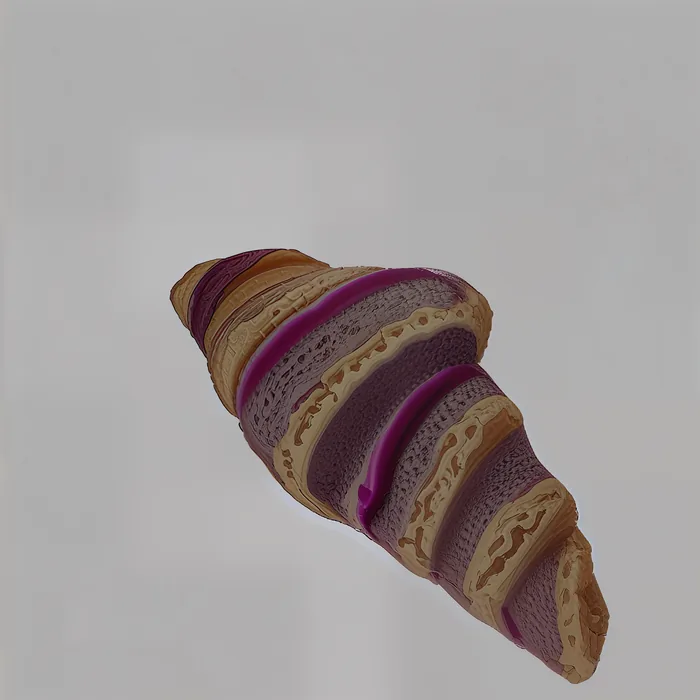
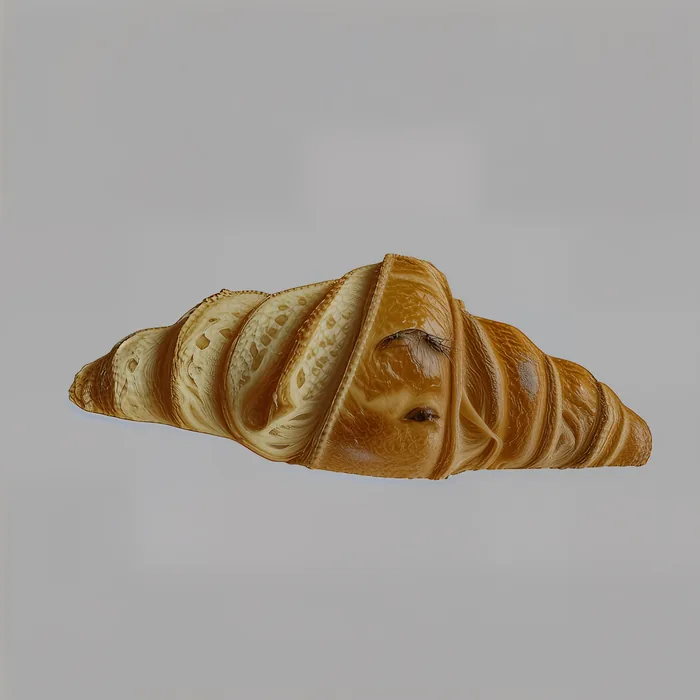
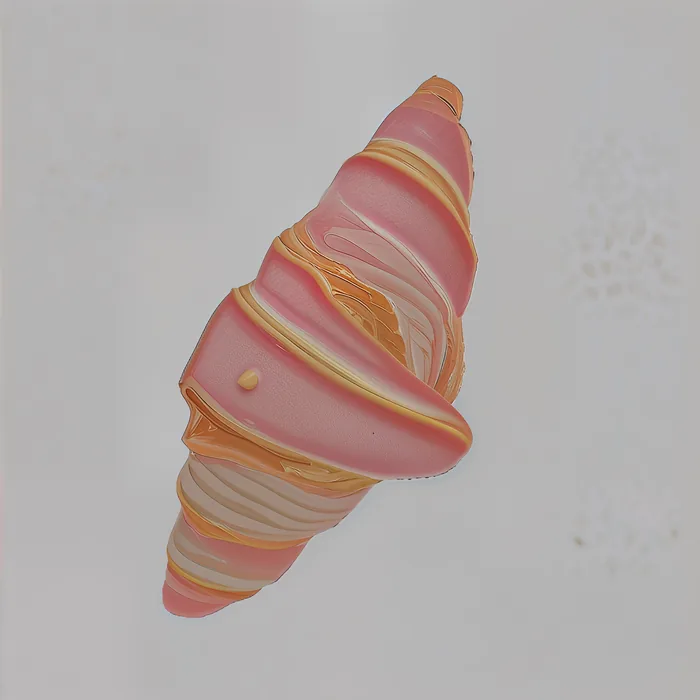
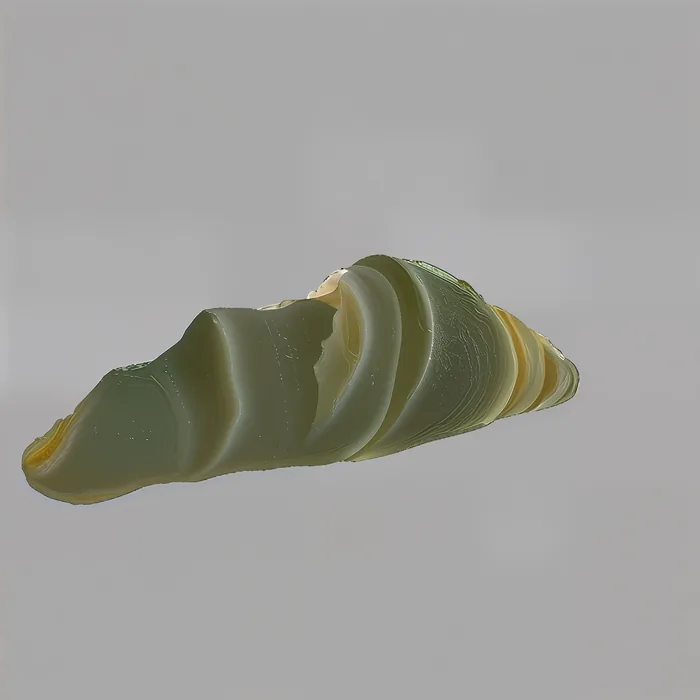
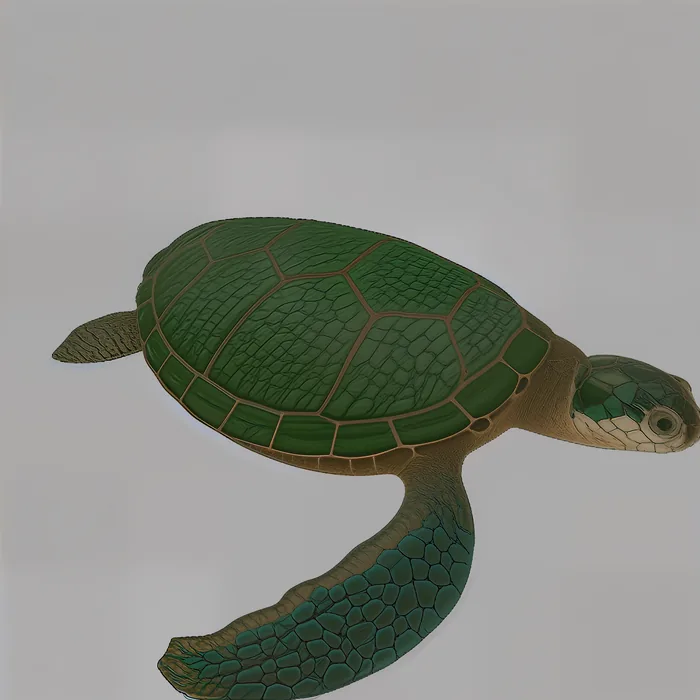
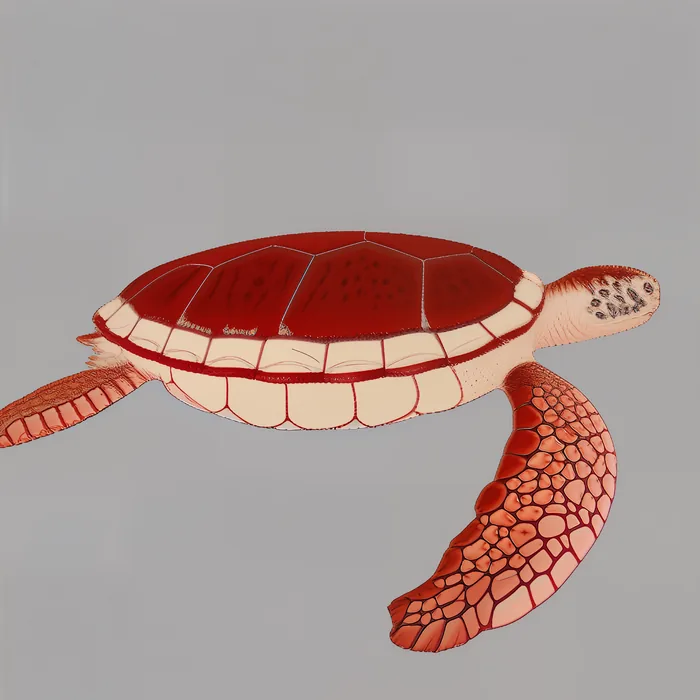
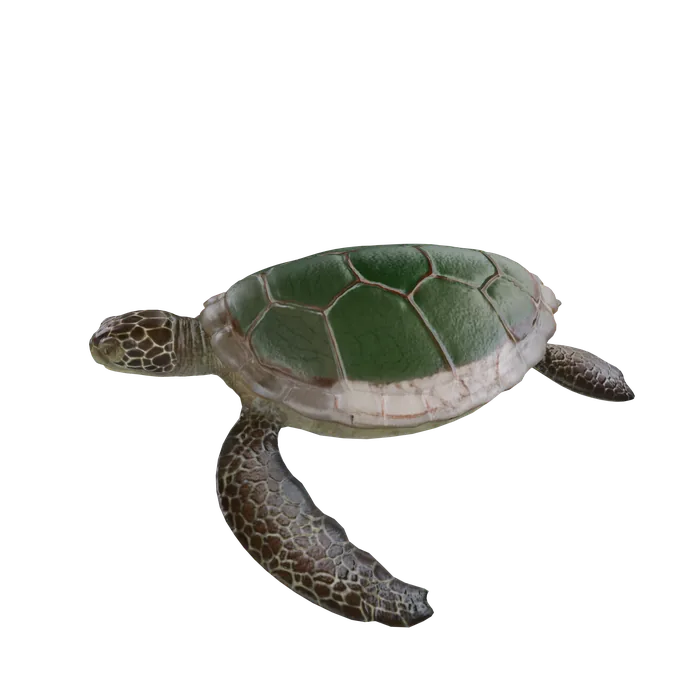
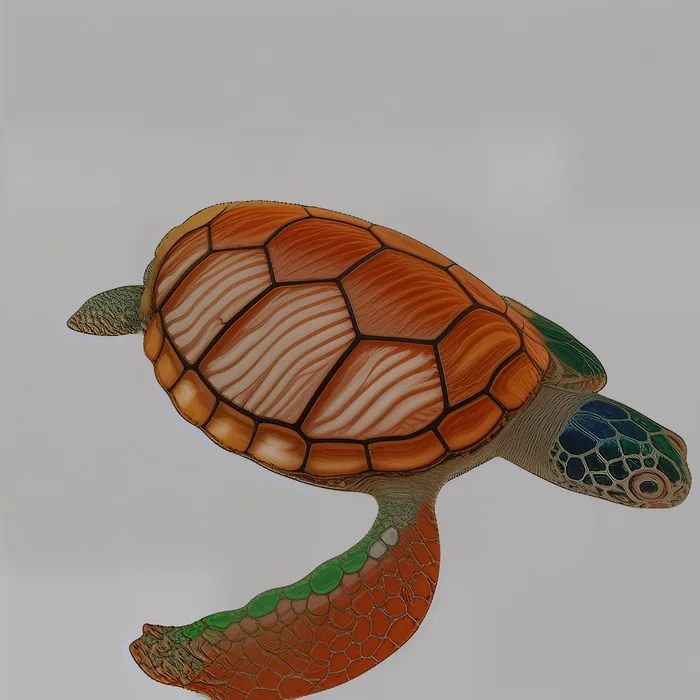
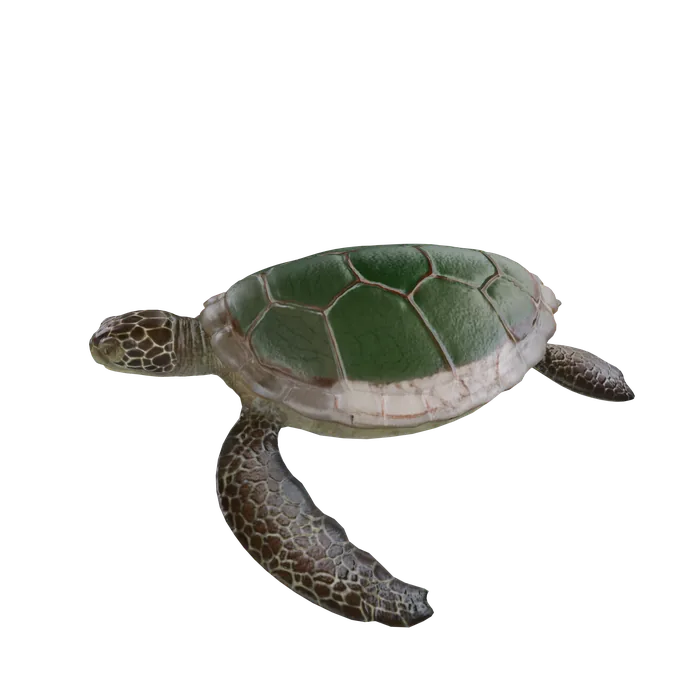
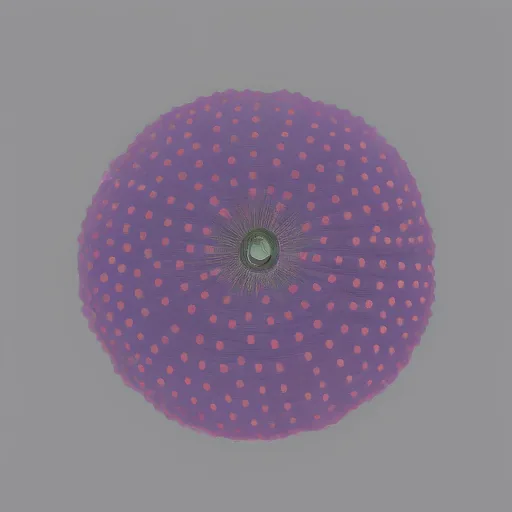
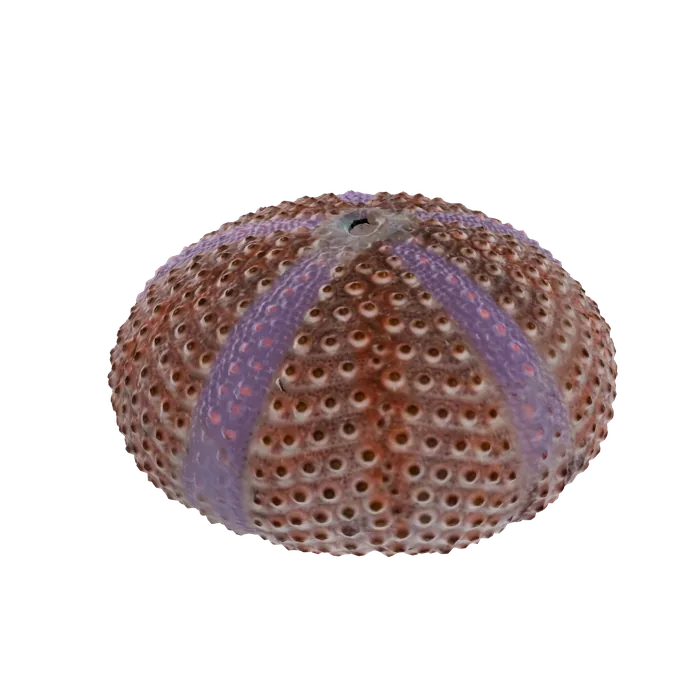
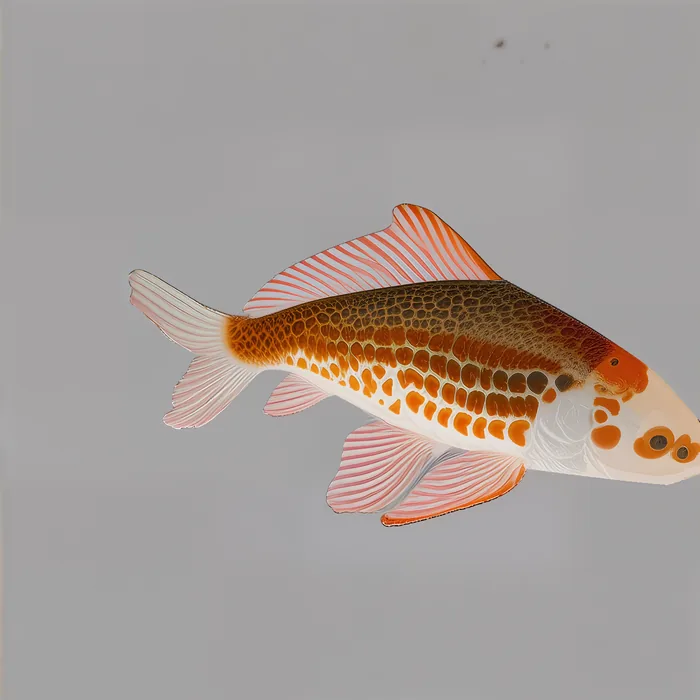
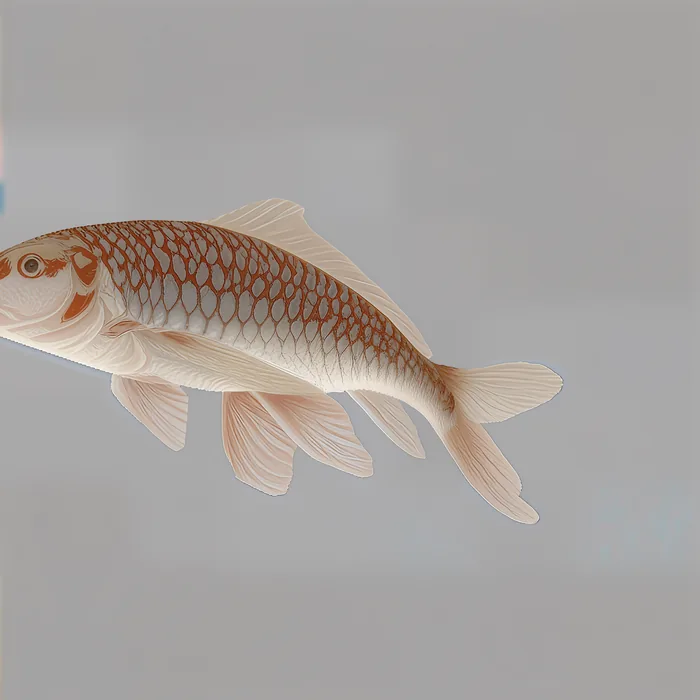
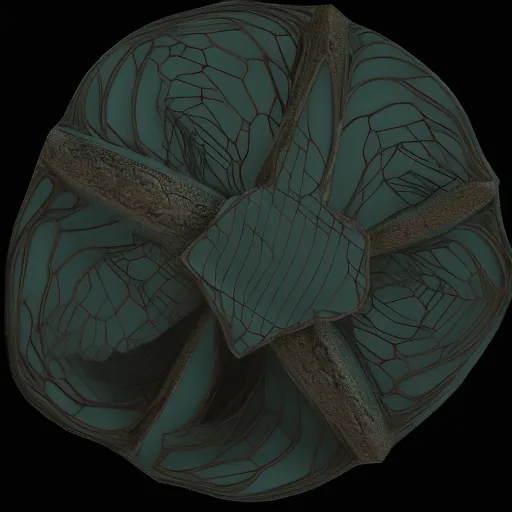
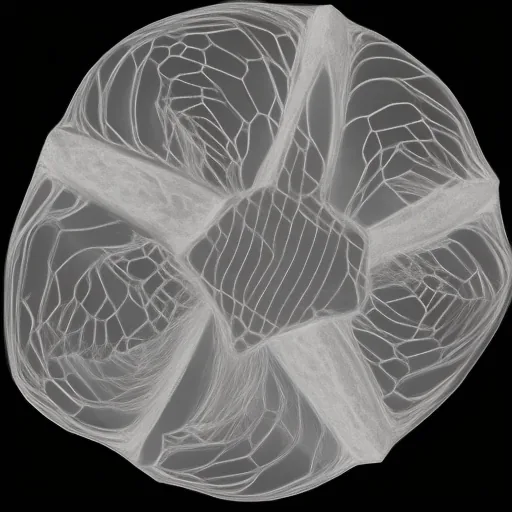 metallic
 roughness
 albedo
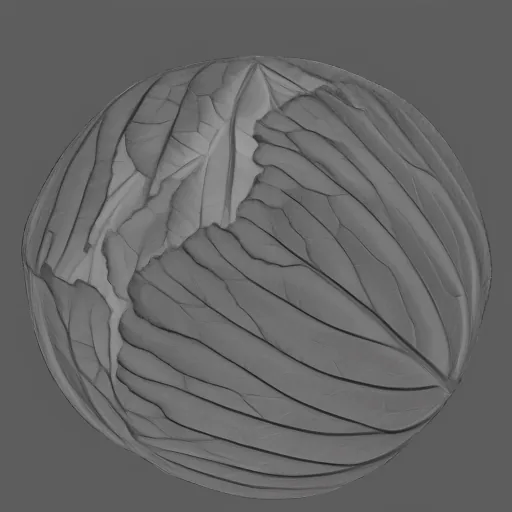 metallic
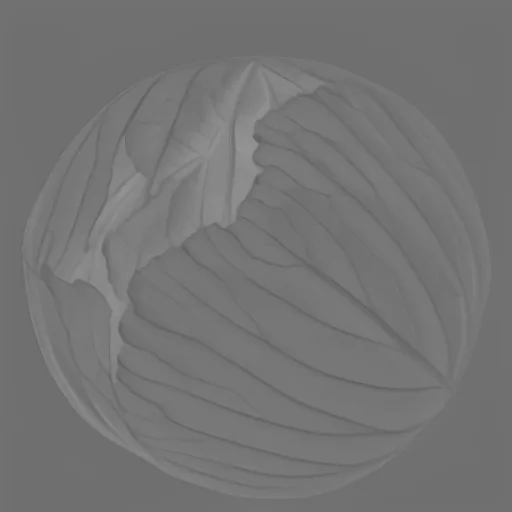 roughness
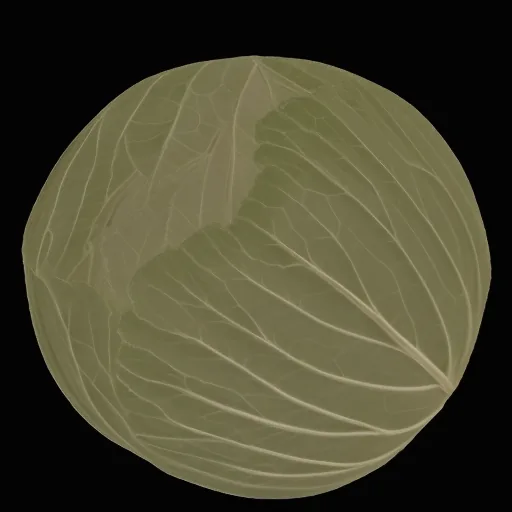 albedo
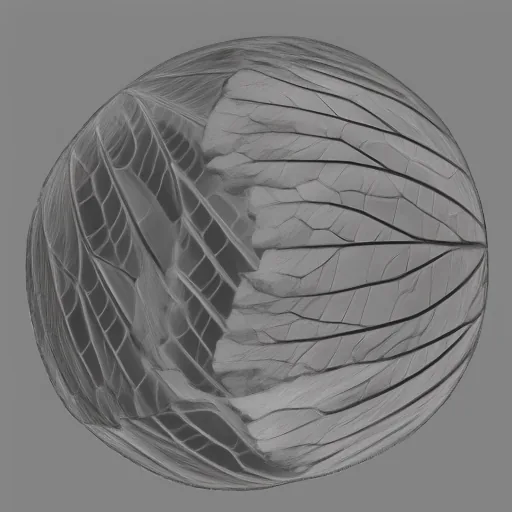 metallic
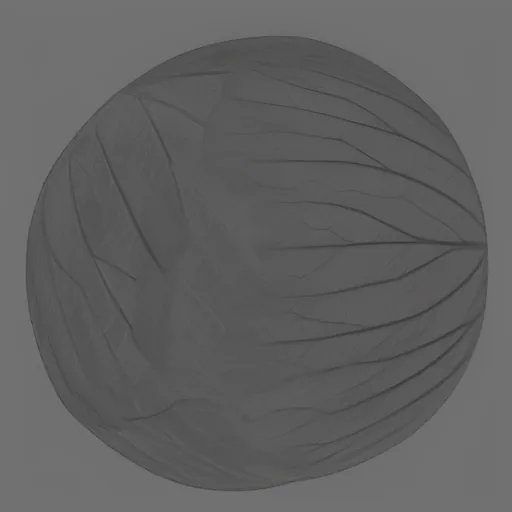 roughness
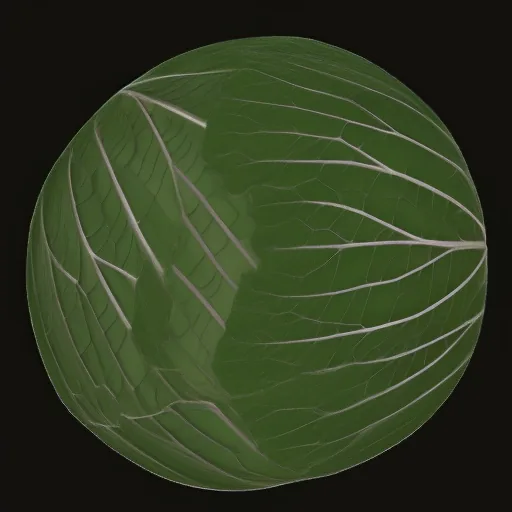 albedo
 metallic
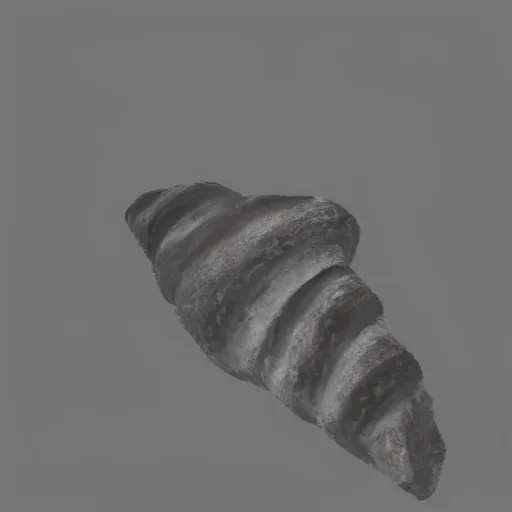 roughness
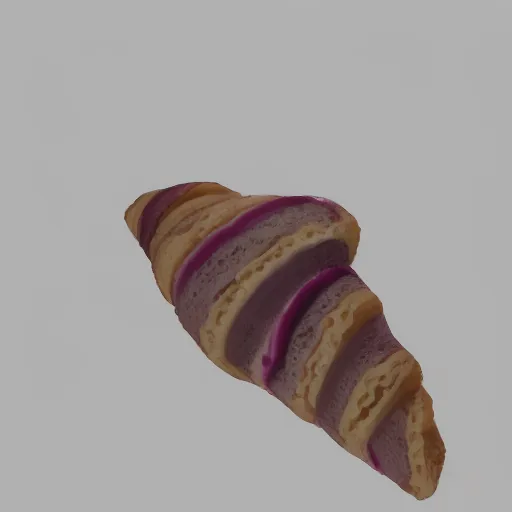 albedo
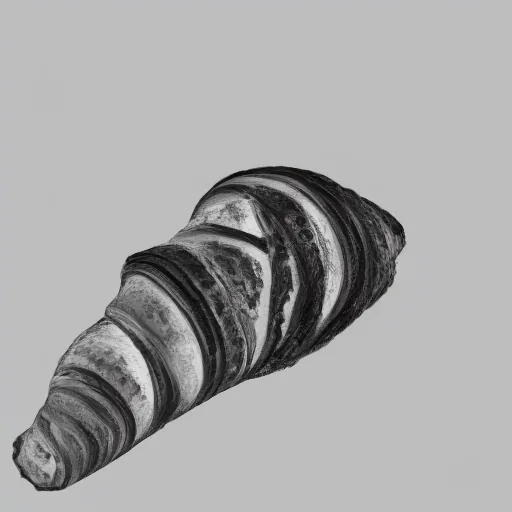 metallic
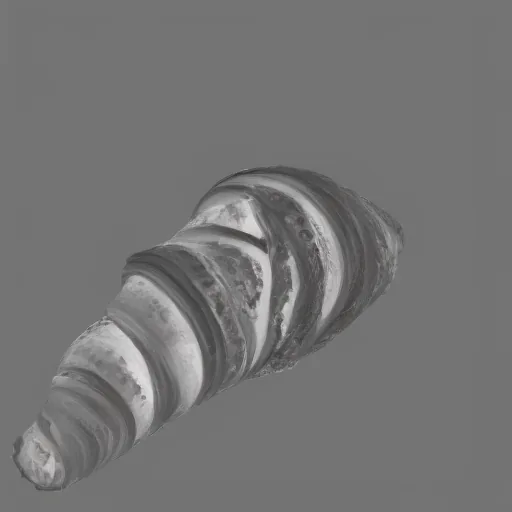 roughness
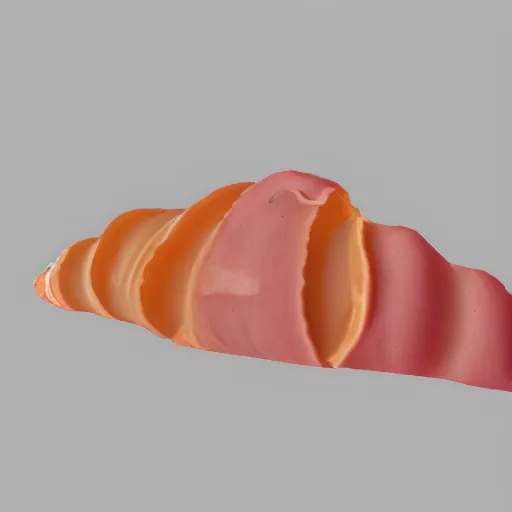 albedo
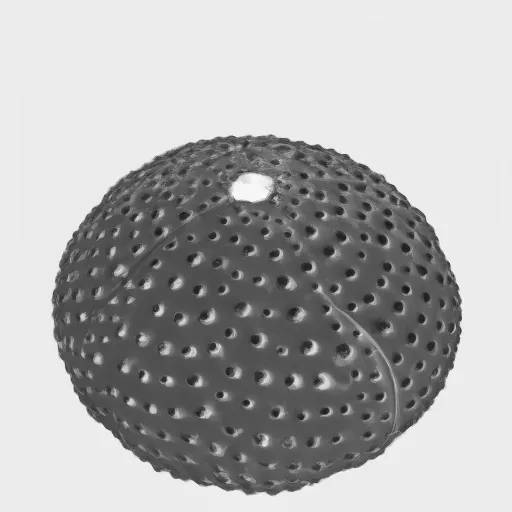 metallic
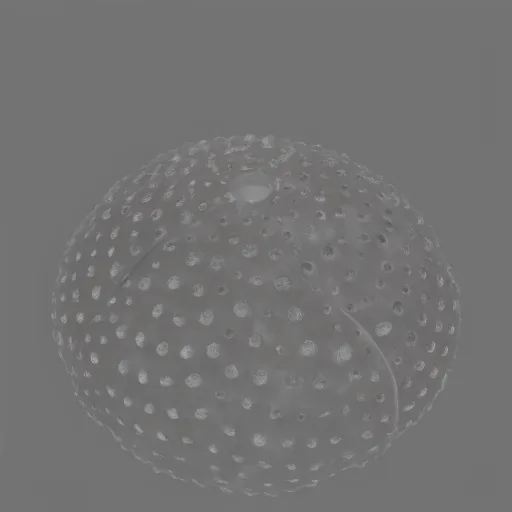 roughness
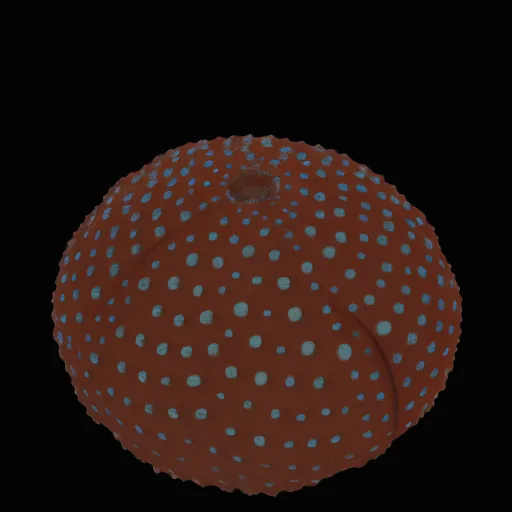 albedo
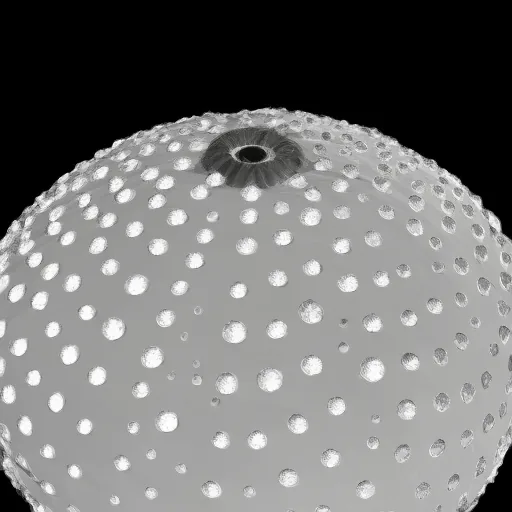 metallic
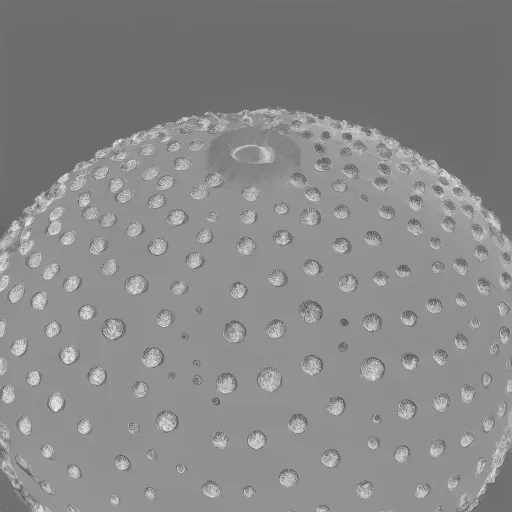 roughness
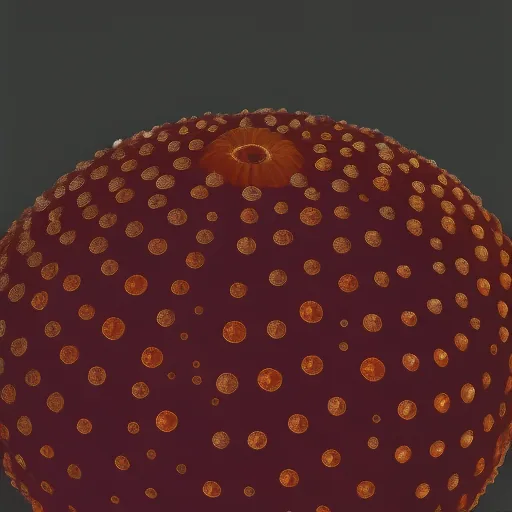 albedo
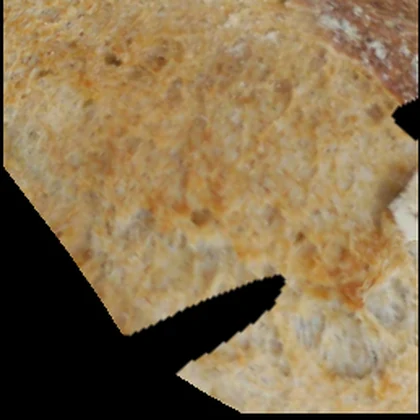
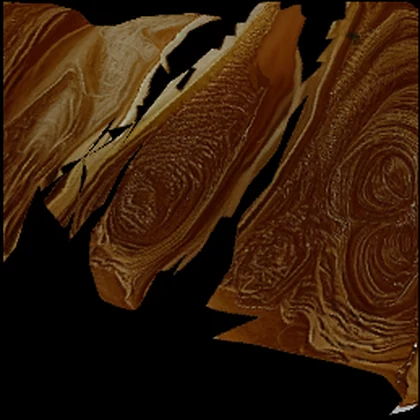
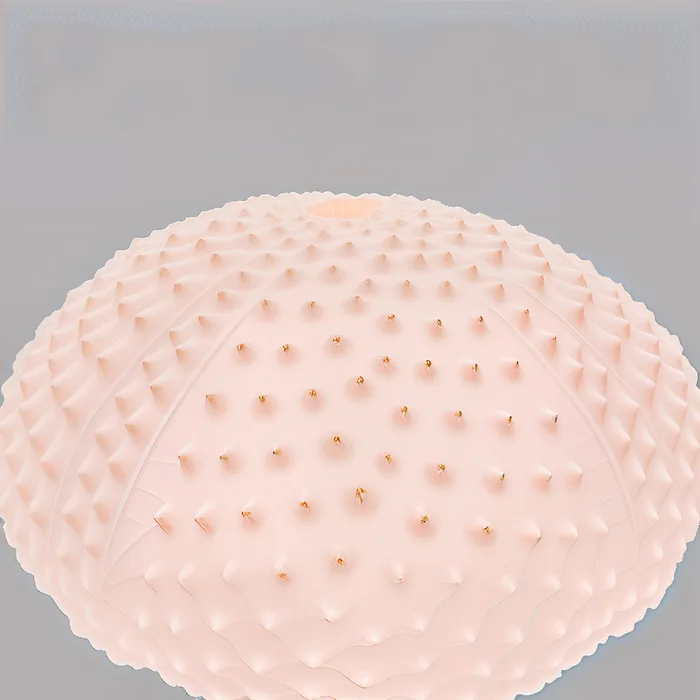
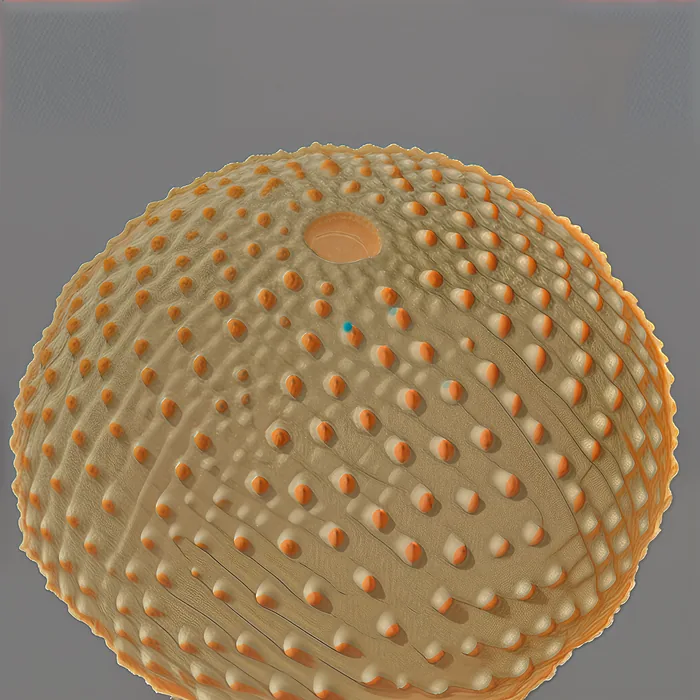
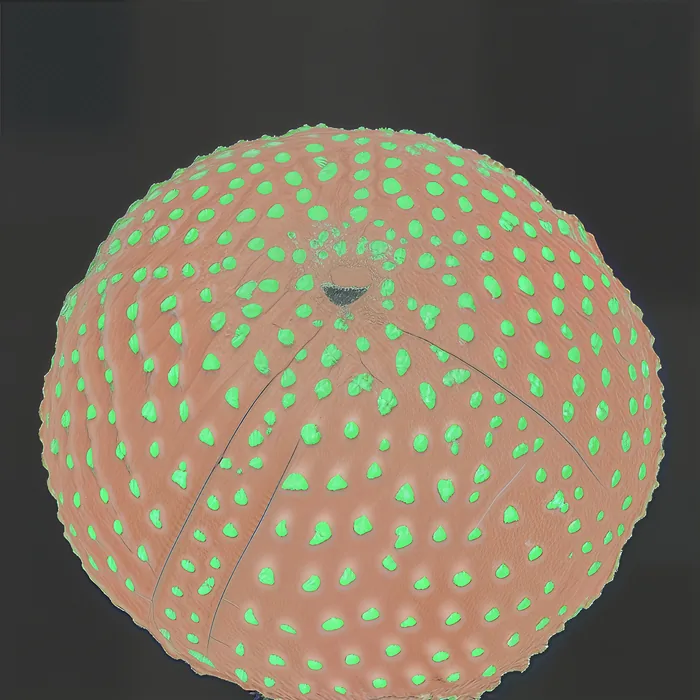
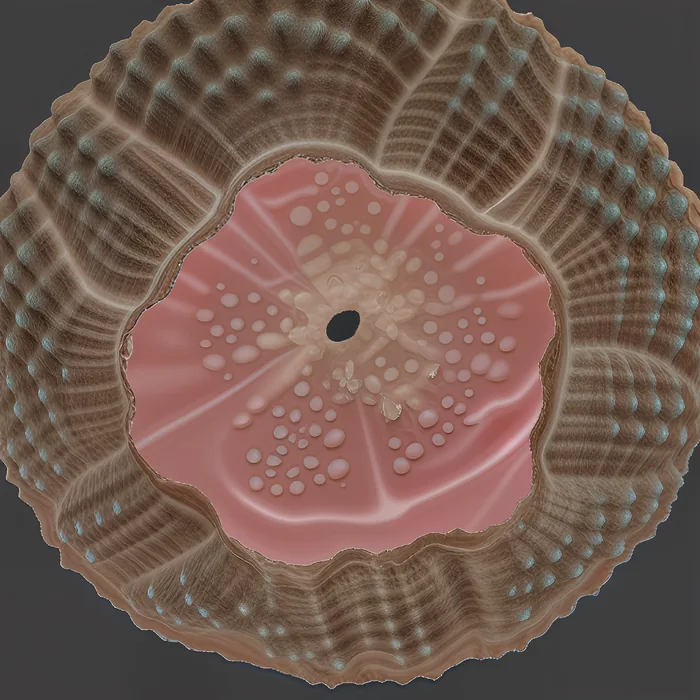
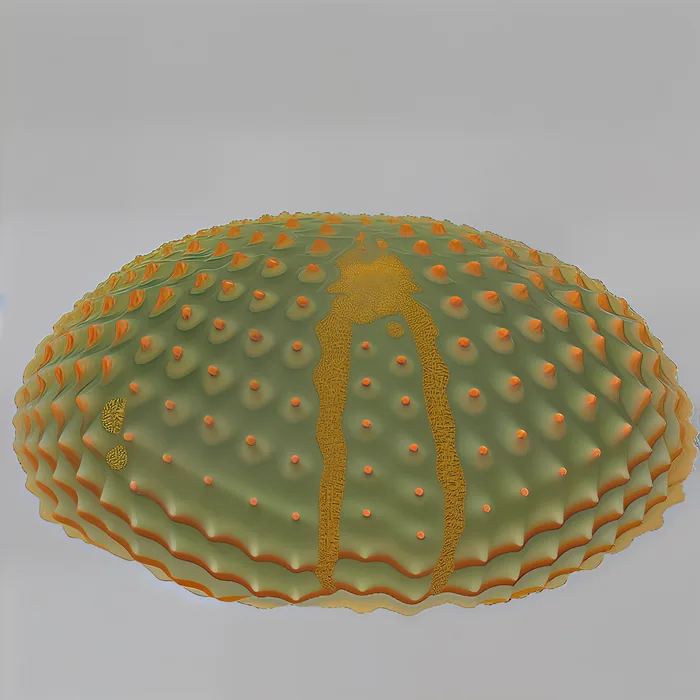
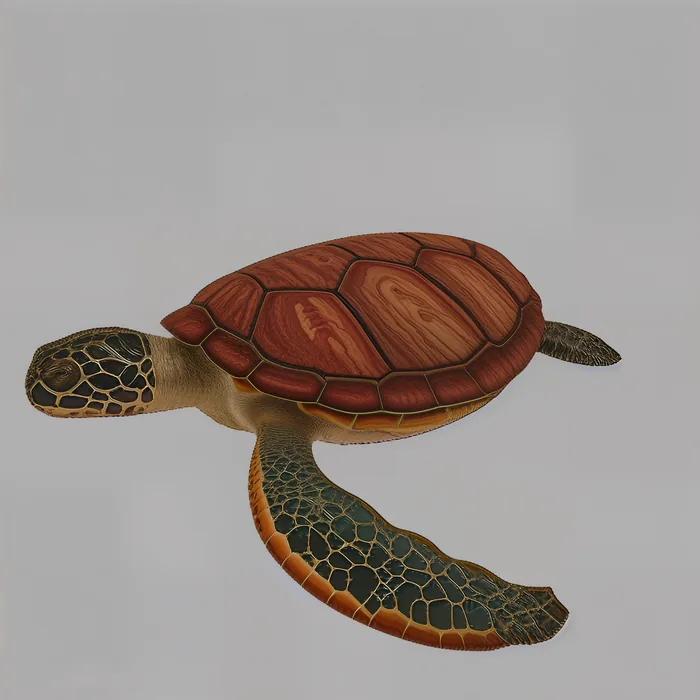
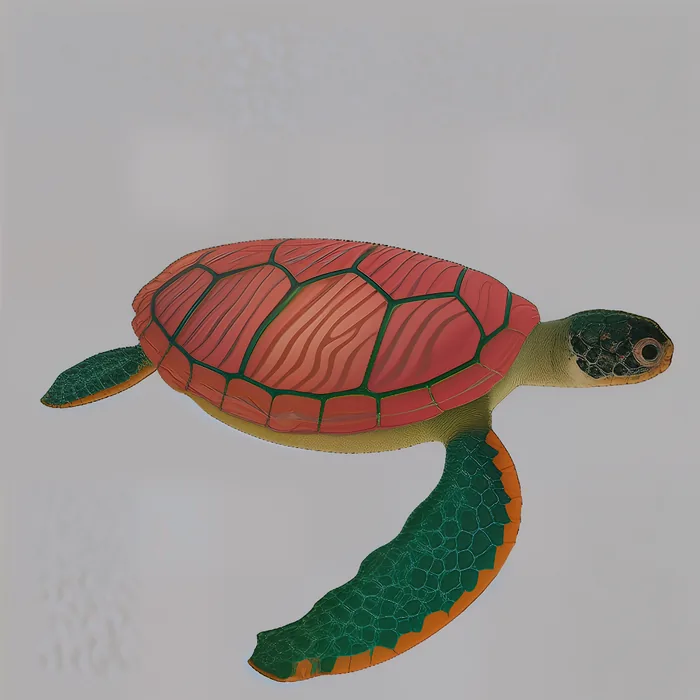
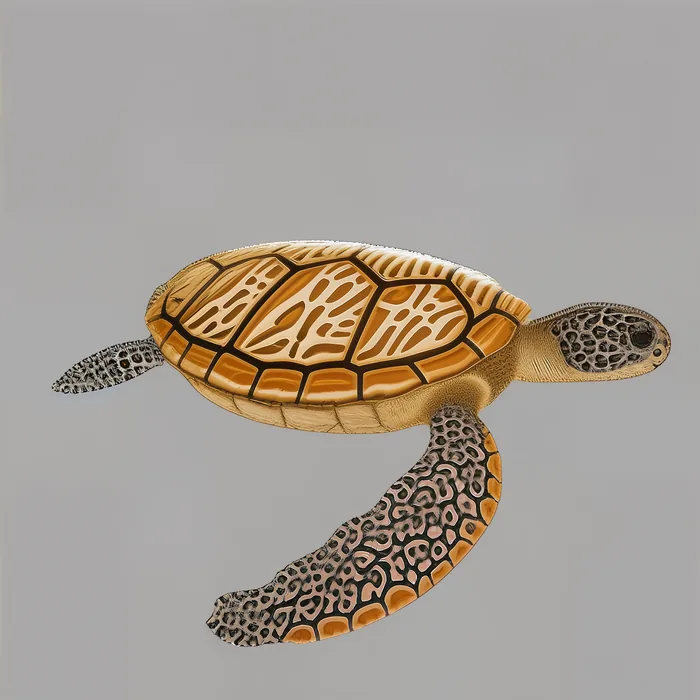
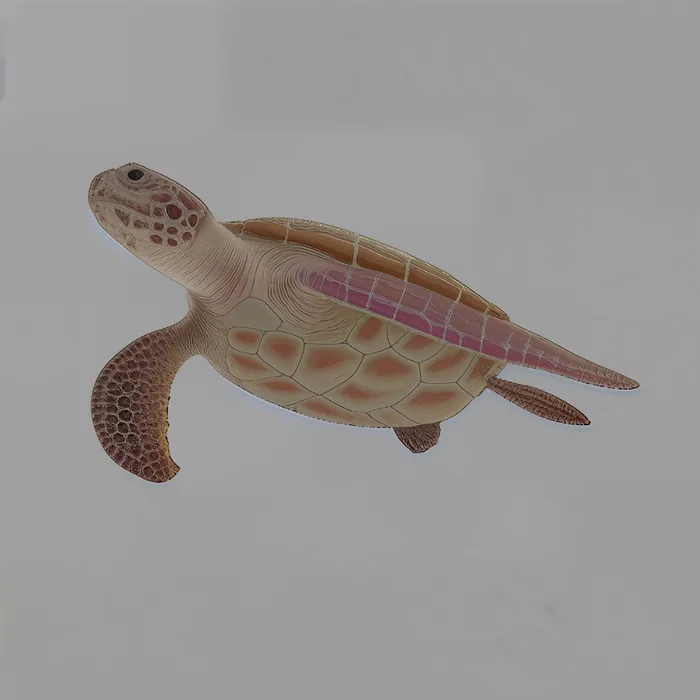
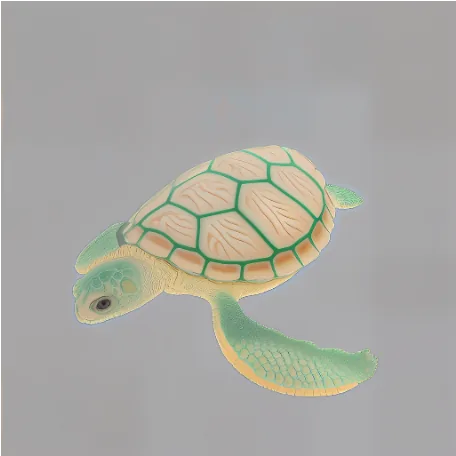
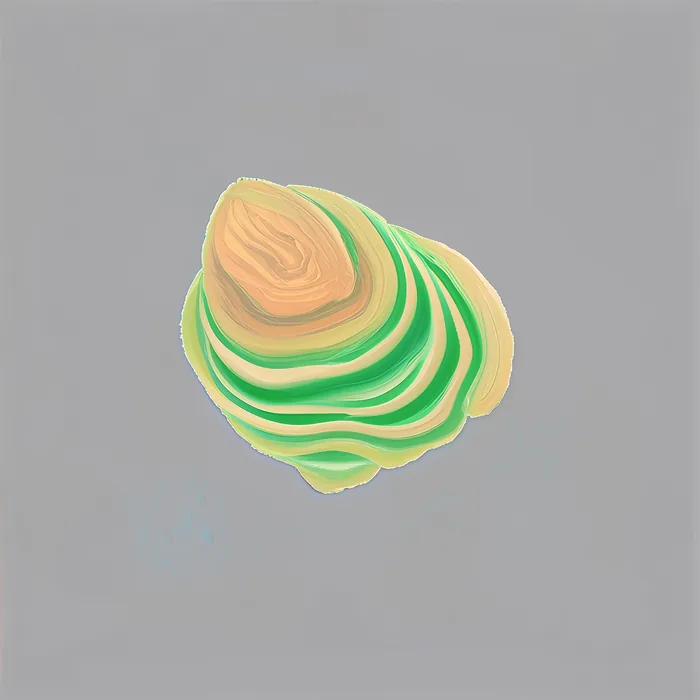
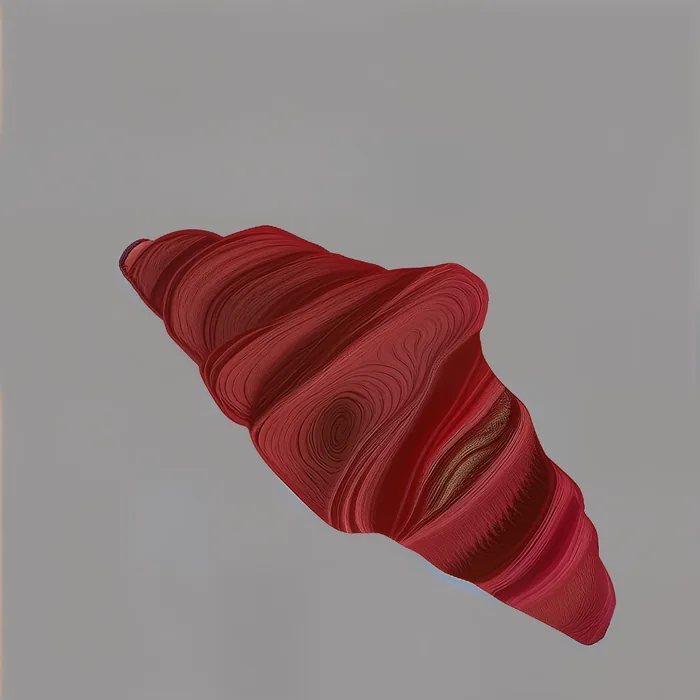
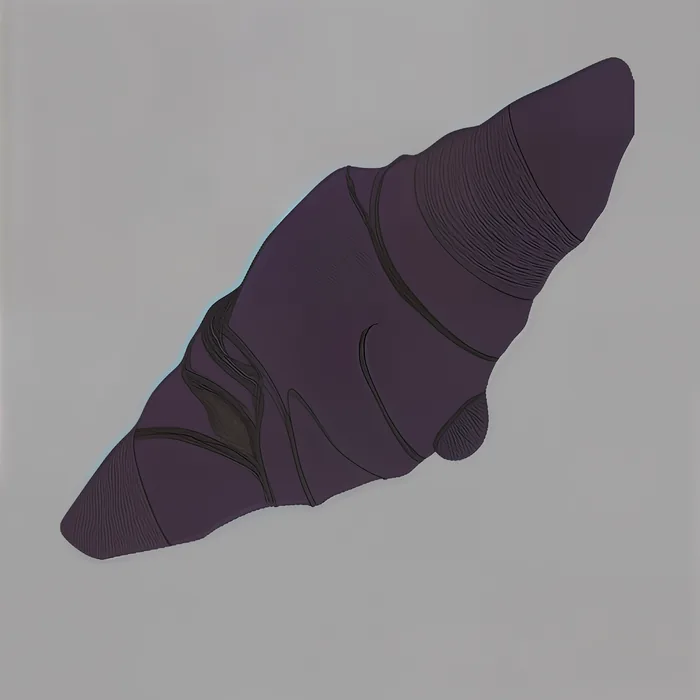
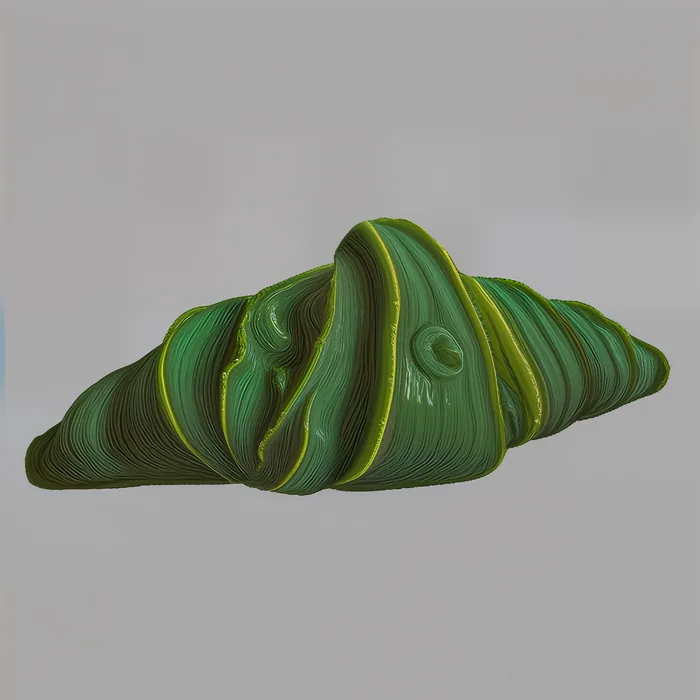
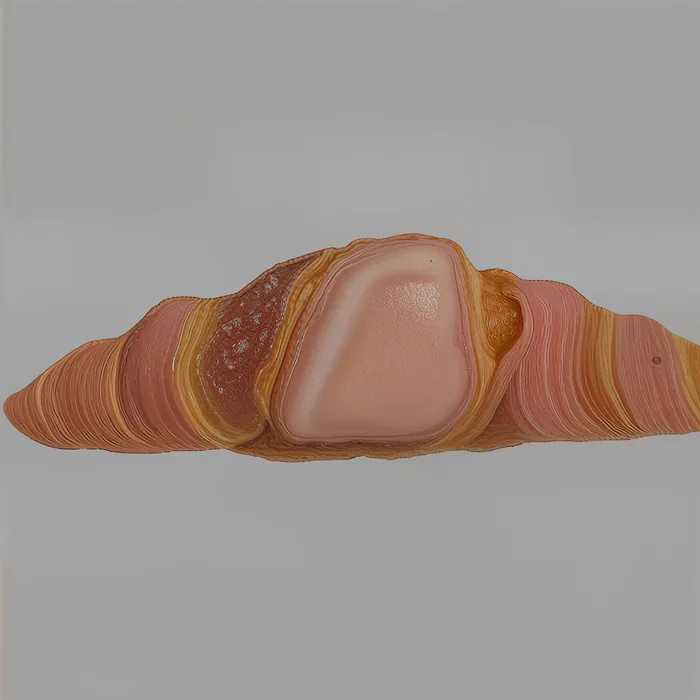
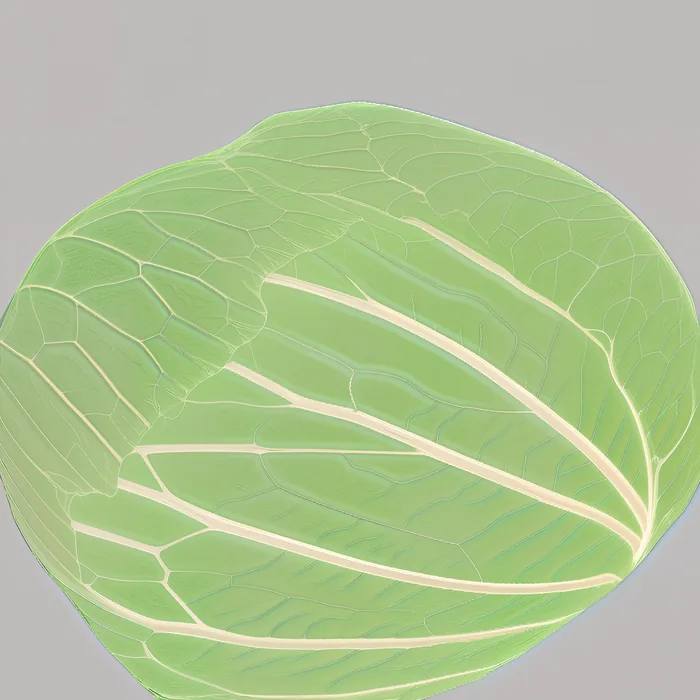
All seven panels are one video, so every method shown is the same frame of the same turntable.
| Method | LPIPS ↓ | FID ↓ | DreamSim ↓ | CMMD ↓ |
|---|---|---|---|---|
| TexGen | — | 106.92 | 0.436 | 0.883 |
| MV-Adapter | 0.358 | 76.98 | 0.370 | 0.666 |
| Hunyuan 2.1 | 0.383 | 73.70 | 0.437 | 0.494 |
| TRELLIS 2 | 0.356 | 102.22 | 0.411 | 0.545 |
| GLOSS (ours) | 0.302 | 80.26 | 0.344 | 0.478 |
Per-mesh setting, averaged over 10 shapes. Best in orange.
@inproceedings{cai2026gloss,
  title     = {GLOSS: Geometric Local Self-Similarity Learning for
               Faithful Reference-guided Texture Fill},
  author    = {Cai, Chenyue and Hu, Anita and Lucas, James and
               Rusinkiewicz, Szymon},
  booktitle = {SIGGRAPH Asia 2026 Conference Papers},
  year      = {2026},
  doi       = {10.1145/3829340.3842197}
}